Top 5 Tips for Choosing the Right DC Charging Connector?
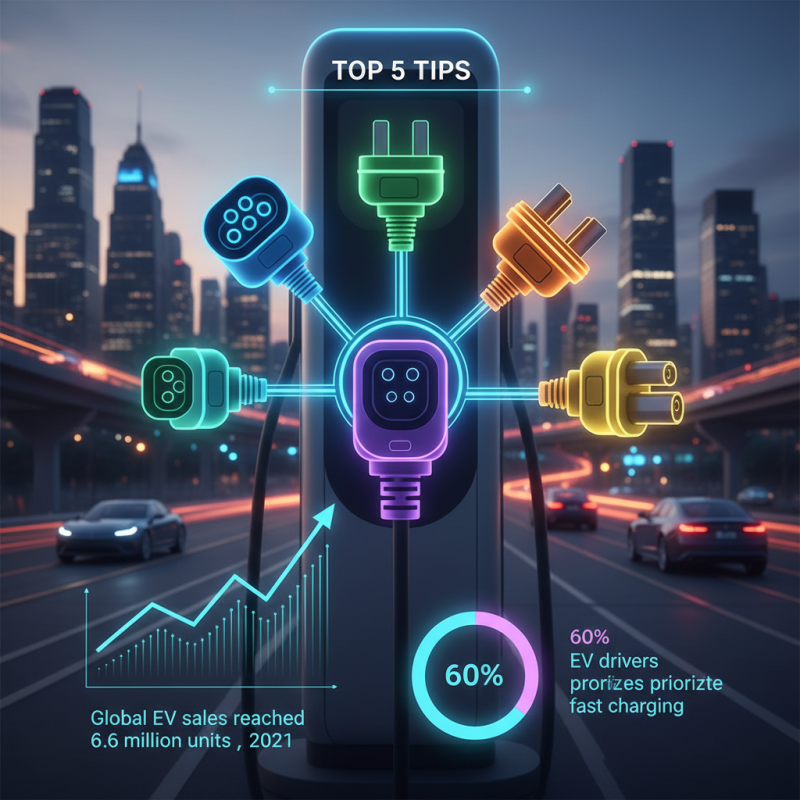
Choosing the right Dc Charging Connector is crucial in the evolving electric vehicle (EV) landscape. According to the International Energy Agency (IEA), global EV sales reached 6.6 million units in 2021, highlighting the surging demand for efficient charging solutions. The right connector ensures compatibility, safety, and fast charging, safeguarding drivers’ investment.
Battery Electric Vehicles (BEVs) and Plug-in Hybrids (PHEVs) are increasingly relying on various DC charging standards, such as CCS and CHAdeMO. A report by McKinsey indicates that over 60% of EV drivers prioritize fast charging access. A poor choice in connectors can lead to inefficiencies or even equipment damage. Companies must analyze their specific needs carefully to avoid costly mistakes.
Understanding the specifications of DC charging connectors can bolster operational efficiency. Misjudgment of charging capabilities may hinder fleet operations or reduce customer satisfaction. Therefore, a thoughtful approach is necessary. Emphasizing compatibility, power ratings, and future-proofing strategies will help in selecting the ideal connector, ensuring reliable performance as the EV market continues to grow.
Understanding Different Types of DC Charging Connectors Available Today
When choosing a DC charging connector, understanding the types available is crucial. The market offers several options, including CHAdeMO, CCS, and Tesla connectors. Each type has unique specifications and compatibility considerations. For instance, CCS connectors support higher charging speeds, making them ideal for rapid charging stations. According to a recent report from the International Energy Agency (IEA), CCS currently holds a significant share of the global charging infrastructure. It accounts for 57% of all public charging points.
CHAdeMO, developed in Japan, remains prominent, especially for Asian electric vehicles. Recent statistics indicate that over 30% of electric vehicles in Japan use this standard. However, it has limitations regarding widespread adoption outside specific regions. Tesla connectors are widely used but can pose compatibility issues for non-Tesla vehicles. The rapidly evolving landscape of EV charging poses its own set of challenges.
As EV adoption grows, many charging providers face pressure to make the right choices. Ensuring compatibility and speed at charging stations becomes a critical factor. This complexity makes it vital for stakeholders to evaluate their long-term needs carefully. Exploring these options can help minimize future obstacles in the ever-changing electric vehicle infrastructure landscape.
Top 5 DC Charging Connectors - Usage Distribution
Analyzing Compatibility with Your Electric Vehicle's Specifications
When selecting a DC charging connector, compatibility with your electric vehicle’s specifications is paramount. Each vehicle has unique charging needs. Understanding these requirements requires careful research. Check your vehicle’s user manual or manufacturer’s website for detailed information.
Look for the type of voltage and current your car supports. Not all connectors provide the same charging speed. Additionally, consider the environmental factors. Charge connectors must withstand various weather conditions. Factors such as extreme heat or cold can impact performance. A durable, reliable connector can make a difference in your charging experience.
While it might seem easy, some users overlook compatibility aspects. Many assume that all connectors will work with their vehicles. This can lead to frustrating situations when charging doesn’t occur as expected. Remember that not all charging stations offer the same types of connectors either. Always verify before you arrive at a station. Taking these details into account can help ensure a smoother charging process.
Evaluating Charging Speed and Power Output Requirements
When evaluating DC charging connectors, it's crucial to focus on charging speed and power output. Different electric vehicles (EVs) require varying levels of power to maximize efficiency. A report from the International Energy Agency suggests that fast charging stations can deliver power outputs of 50 kW to over 350 kW. This wide range means that understanding your vehicle’s needs is essential. A connector that supports high power output would significantly reduce charging time, making it a more efficient choice.
However, charging speed isn't the only factor to consider. Compatibility is another critical aspect. Many vehicles support only certain types of connectors, impacting the overall charging experience. For example, while some EVs can utilize ultra-fast chargers, not all connectors can handle such power levels. Additionally, a study by the U.S. Department of Energy indicates that charging infrastructure is continually evolving. It's important to stay informed about these developments to ensure your connector remains relevant in the future.
Another challenge involves the physical size and design of connectors. Some connectors are bulkier than others, potentially hindering the mobility of charging solutions. It's essential to assess the space and environment where the charging will occur. Inadequate space can lead to complications, making certain connectors less practical in real-world use. Thus, a thorough evaluation of power output and connector design is necessary for effective decision-making in the EV charging landscape.
Considering the Availability of Charging Stations and Infrastructure
When selecting a DC charging connector, it’s crucial to consider the availability of charging stations and infrastructure. Many regions still lack adequate charging points. A well-connected area ensures you won’t run out of options. Research local charging networks. Identify where you can easily access charging stations while on the road.
Some connectors may not be as widely accepted. This could limit your options in certain areas. Pay attention to the growing infrastructure as cities expand. Even a few years can change the landscape of available charging solutions. It’s essential to stay informed about the latest developments in your region.
Think about your travel patterns. Frequent long trips require a versatile connector. If local stations are sparse, you might face challenges. Consider future expansions in charging networks. Not all areas will develop at the same pace. Reflecting on these factors can help you make more informed decisions for your charging needs.
Examining Cost and Installation Factors for DC Connectors
When it comes to choosing the right DC charging connector, understanding cost and installation factors is crucial. The expenses associated with connectors can vary significantly. A cheaper connector might save money upfront, but poor quality can lead to additional costs later. Installation costs also depend on factors like the existing infrastructure and required adapters. Some sites may need upgrades to meet electrical requirements, which can add to overall expenses.
Installation considerations play a vital role in the decision-making process. Certain connectors may require specialized training for installation, impacting labor costs. Moreover, accessibility of the site can complicate the installation, leading to delays. This factor is often overlooked but can result in unexpected challenges.
Evaluating long-term reliability should also be part of the planning. A reliable connector can withstand various environmental factors. However, even the best connectors can have vulnerabilities. Regular maintenance is necessary to ensure optimal performance. This reality reflects the complexity of selecting DC charging connectors. Balancing upfront costs with potential future expenses can lead to more informed choices.
Top 5 Tips for Choosing the Right DC Charging Connector
| Tip | Cost Factors | Installation Considerations | Compatibility | Future-Proofing |
| Evaluate Charging Speed | Higher speed connectors may cost more | Ensure infrastructure can support faster installation | Check compatibility with current EV models | Consider anticipated advancements in vehicle technology |
| Assess Connector Types | Different types vary in price | Installation may require specific tools | Select a common connector type for wider use | Choose connectors aligned with future EV models |
| Consider Location | Installation costs may vary by region | Identify optimal location for accessibility | Ensure compatibility with local grid standards | Plan for upgrades in nearby infrastructure |
| Check Installation Support | Cost of labor may influence choice | Choose installers with reliable experience | Verify support for multiple EV models | Identify installers familiar with cutting-edge tech |
| Analyze Long-Term Costs | Calculate energy costs over time | Consider maintenance aspects of installation | Opt for widely adopted standards for longevity | Prepare for future EV growth and connector evolution |
