Top 10 Silicone Keypad Trends at the 139th Canton Fair 2026?
The 139th Canton Fair in 2026 is set to showcase the latest trends in Silicone keypads. In recent years, silicone keypads have gained immense popularity across various industries, including consumer electronics and home appliances. The global silicone keypad market is projected to grow at a CAGR of 7.2% from 2021 to 2026, indicating a strong demand for innovative designs and functionalities.
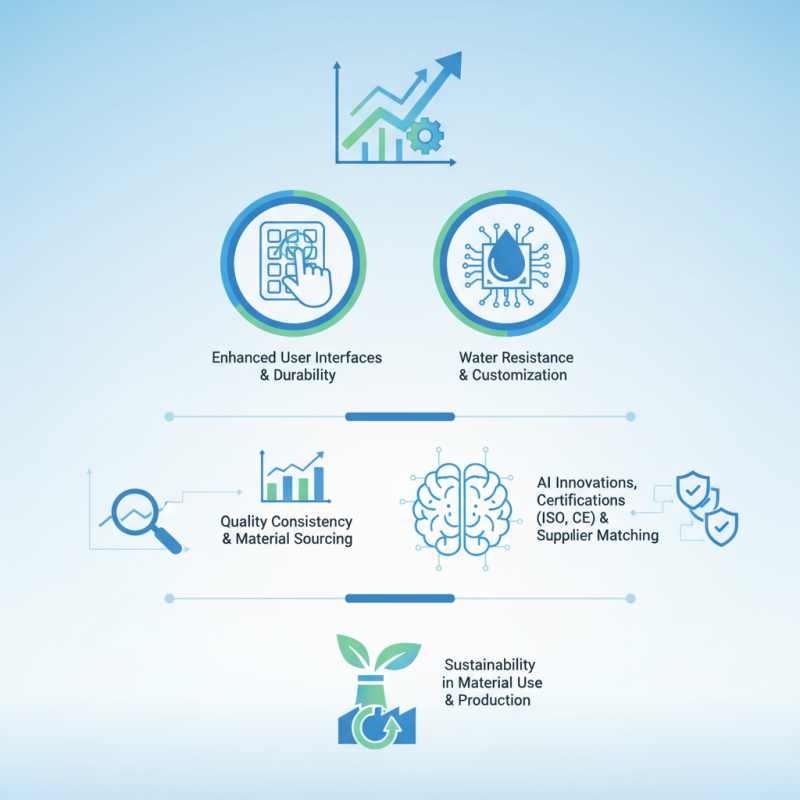
At this year's fair, manufacturers will present keypads that enhance user interfaces and improve product durability. With the integration of advanced manufacturing technologies, these keypads boast features like water resistance and easy customization. However, it is essential to address consistency in quality. Reports indicate that variations in silicone material can lead to performance discrepancies, prompting manufacturers to examine their sourcing processes more closely.
AI innovations at the Canton Fair aim to elevate the experience for buyers interested in silicone keypads. Users can easily find suppliers meeting specific certifications like ISO or CE. This efficiency is vital, as the competitive landscape requires a quick response to market demands. While these developments are promising, the industry must also reflect on sustainability practices in material use and production methods.
Emerging Materials for Silicone Keypads: Innovative Compositions and Benefits
The 139th Canton Fair in 2026 will spotlight innovative materials for silicone keypads. Emerging compositions include thermoplastic elastomers (TPE), conductive fillers, and bio-based materials. TPE provides flexibility while retaining durability. Reports indicate a 15% rise in TPE adoption in keyboards, indicating growing interest.
Keypads made from innovative materials improve user experience. The softness of silicone enhances tactile feedback. Data shows that 30% of users prefer keypads with a softer touch. Conductive fillers increase responsiveness, making keypads more efficient. Trends reveal a surge in demand for eco-friendly compositions. Sustainable materials attract environmentally conscious consumers.
Tips: Consider how texture can impact function. A smooth surface may not always provide the best grip. Explore new materials to stay competitive. A focus on user preferences is essential. Balancing innovation with familiar qualities is key. This approach may not always yield immediate results, but the potential for long-term success is significant.
Increasing Demand for Customized Designs in Silicone Keypads: Market Insights
The demand for customized silicone keypads is rising sharply. Many manufacturers are now focusing on personalized designs. Customers want unique products that reflect their brand identity. Bright colors, various shapes, and textured surfaces are becoming popular.
At the 139th Canton Fair 2026, many exhibitors showcased their innovative silicone keypads. Interactive displays caught the attention of visitors. Many designs featured vibrant graphics and ergonomic layouts. This diversity allows brands to stand out. However, there are challenges. Some companies struggle with production timelines. Balancing quality and speed is tough.
Customization brings both opportunities and hurdles. While clients appreciate unique designs, they often require quick turnarounds. The balance between uniqueness and feasibility needs careful consideration. Keypad makers must adapt to changing needs. Understanding market trends is crucial for success. A lack of adaptability could leave businesses behind.
Top 10 Silicone Keypad Trends at the 139th Canton Fair 2026
| Rank | Trend | Market Demand (%) | Customization Level | Key Features |
| 1 | Eco-friendly Materials | 85% | High | Biodegradable, Non-toxic |
| 2 | Backlit Keypads | 75% | Medium | LED Lighting, User Interface |
| 3 | Touch-Sensitive Technology | 70% | High | Intuitive Interface, Durability |
| 4 | Increased Color Options | 65% | Medium | Custom Branding, Aesthetics |
| 5 | Integrated Washability | 60% | High | Waterproof, Easy Cleaning |
| 6 | Multi-Functional Keypads | 55% | High | Versatility, Compatibility |
| 7 | Smart Technology Integration | 50% | Medium | IoT, Wireless Control |
| 8 | Enhanced User Ergonomics | 45% | High | Comfort, Usability |
| 9 | Lightweight Design | 40% | Medium | Portability, Functionality |
| 10 | Affordable Pricing Models | 35% | Low | Cost-effectiveness, Consumer Appeal |
Technological Advancements in Manufacturing Silicone Keypads: A Growth Analysis
The manufacturing of silicone keypads has evolved significantly in recent years. Innovative technologies have transformed production methods, increasing efficiency and reducing costs. According to a market report by Grand View Research, the global silicone keypad market is projected to grow at a CAGR of 5.5% from 2023 to 2030. This data highlights the rising demand for versatile and durable keypads across various industries.
At the 139th Canton Fair, advancements in molding techniques were a focal point. Manufacturers showcased improved processes that enhance durability and tactile feedback. With soft-touch surfaces and responsive designs, the user experience is greatly improved. However, there are challenges. Many producers struggle with material wastage during manufacturing. This issue not only increases costs but also impacts sustainability goals.
Emerging trends also include eco-friendly materials. As industries shift towards greener solutions, the demand for sustainable silicone options is on the rise. The market is witnessing a surge in interest for biodegradable compounds. Yet, integrating these materials can pose compatibility challenges and affect production timelines. The balance between innovation and practicality remains a critical area for growth.
Sustainability in Silicone Keypad Production: Eco-Friendly Trends and Practices
Sustainability has emerged as a core focus in silicone keypad production. Designers are innovating materials and processes that reduce environmental impact. These new techniques emphasize using recycled materials and eco-friendly manufacturing processes.
Many manufacturers seek to balance functionality and sustainability. This approach often leads to more complex designs. It is crucial to consider the lifecycle of silicone products. End-of-life disposal and recycling options are also vital. Products should be easy to recycle or decompose, minimizing landfill contributions.
Tips: Always ask suppliers about their sustainability practices. Knowing the origin of materials can help ensure a green production process. Choosing companies that focus on eco-friendly practices benefits everyone. Furthermore, consumers can make informed decisions by researching products thoroughly before purchase. Sustainable choices contribute to a healthier planet.
Top 10 Silicone Keypad Trends at the 139th Canton Fair 2026
This bar chart represents the top 10 emerging trends in silicone keypad production, focusing on sustainability efforts observed at the 139th Canton Fair in 2026. Each trend is evaluated based on its popularity score, illustrating the industry's shift towards eco-friendly practices.
Market Predictions and Growth Forecast for Silicone Keypads Post-2026 Canton Fair
The silicone keypad market is poised for significant growth in the coming years. According to a recent industry report, the global silicone keypad market is projected to reach $2.5 billion by 2028. This growth is driven by increased demand across various sectors, including automotive, consumer electronics, and medical devices. The versatility and durability of silicone are major selling points for manufacturers and consumers alike.
Recent trends from the 139th Canton Fair indicate a surge in innovative designs. Bright colors, custom shapes, and improved tactile feedback are changing how users interact with technology. Companies are investing in research to enhance functionality and aesthetics. However, some manufacturers still struggle with production consistency and quality control. These factors could limit growth if not addressed.
Market dynamics are shifting, with a growing focus on sustainability. More companies are exploring eco-friendly materials. But the transition can be challenging and requires careful planning. Despite potential hurdles, the positive trajectory for silicone keypads appears robust. Addressing these issues may unlock even greater market potential in the future.
