Regulated Power Supply How Does It Work and Why It Matters?
A Regulated Power Supply is a critical component in modern electronics. It ensures devices receive stable voltage and current levels. This stability protects sensitive equipment and enhances performance. In an age where technology continuously evolves, understanding this system is more important than ever.
Many gadgets rely on regulated power supplies to function correctly. Without them, fluctuations in power could damage components. For instance, computers and medical devices demand precise voltage. Any deviation could lead to malfunctions. However, not all regulated power supplies are created equal. Some designs may effectively stabilize output, but others might struggle under load variations. This inconsistency can pose significant risks.
The significance of a regulated power supply extends beyond mere functionality. It impacts everything from energy efficiency to user experience. While the concept appears straightforward, the complexities demand deeper examination. It's vital to consider the long-term benefits and potential drawbacks of different designs. Exploring these aspects can reveal critical insights into the role of regulated power supplies in our technology-driven world.
What is a Regulated Power Supply?
A regulated power supply is a device that maintains a constant output voltage. It is essential for sensitive electronic equipment. Without it, devices may experience voltage fluctuations, leading to malfunctions.
The key features of a regulated power supply include stability and reliability. It controls the output despite variations in input voltage or load conditions. This means your devices can run efficiently without sudden interruptions. However, not every device needs a regulated supply. Sometimes, basic applications can function with unregulated supplies.
But using an unregulated supply can pose risks. Devices might suffer from damage due to voltage spikes. It's vital to assess the needs of your equipment. A well-chosen regulated power supply can enhance performance. Yet, improper selection can lead to wasted resources. Reflecting on these factors can lead to better decisions in your projects.
Key Components of Regulated Power Supplies
Regulated power supplies are essential in many devices. They ensure that electronic components receive stable voltage levels. A few key components play a vital role in achieving this stability.
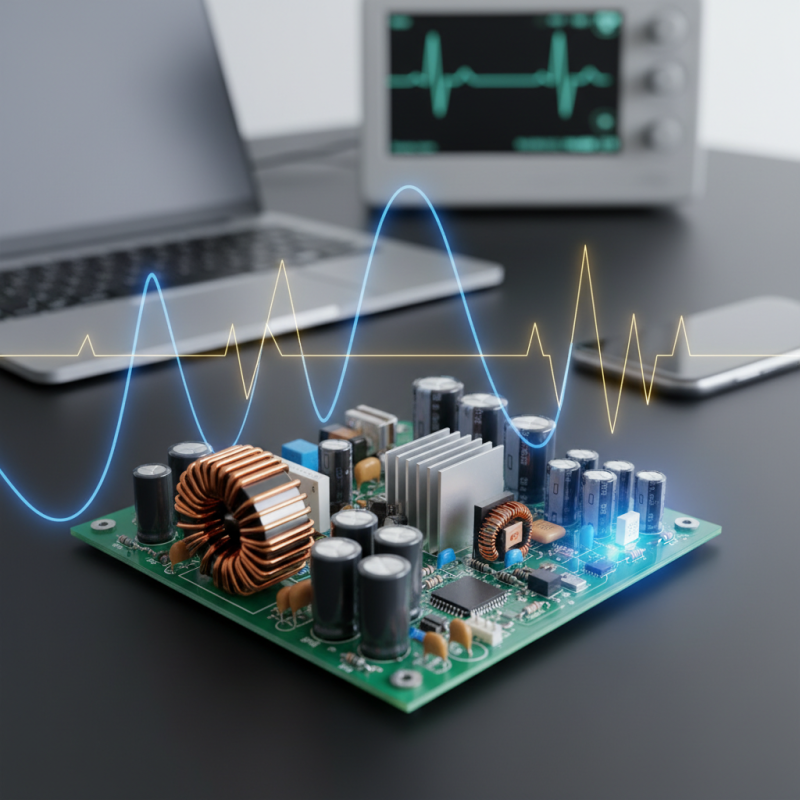
The transformer is the first crucial part. It steps up or steps down the voltage. Then, there are rectifiers. These convert the AC voltage to DC. Capacitors follow, smoothing out the output voltage. They help to reduce fluctuations, making the power steady. However, the right capacitor selection is often overlooked. This can lead to performance issues.
Another important component is the voltage regulator. It maintains the desired output voltage despite variations in input power. Choosing the correct regulator matters greatly. A mismatch can result in overheating or damage to the load. In practice, this can create headaches. System designers need to carefully consider each component. Balancing reliability and efficiency can be complex.
Understanding Regulated Power Supply: Key Components and Importance
How Regulated Power Supplies Operate
Regulated power supplies are crucial for many electronic devices. They ensure stable output voltage, which is vital in powering sensitive components. Inconsistent voltage can lead to device malfunction. Data shows that 30% of electronic failures come from power supply issues.
These supplies use feedback mechanisms to regulate voltage. When voltage fluctuations occur, feedback circuits adjust output in real-time. This maintains the desired voltage level. The industry recommends choosing supplies with efficient regulation. A report by the International Energy Agency indicates that regulated supplies can reduce energy waste by 15%.
Not all regulated power supplies are created equal. Some may offer poor load regulation, which can impact performance. It’s essential to assess specifications carefully. Some units may not handle high transient loads well. Users should consider current demands for optimal operation.
Importance of Regulated Power Supplies in Electronics
Regulated power supplies are crucial in the world of electronics. They provide a stable voltage output, even when the input fluctuates. This feature is essential for sensitive devices. Without regulation, voltage spikes can damage delicate components. For instance, microcontrollers and sensors rely on consistent voltage for proper functionality.
Moreover, regulated power supplies enhance device performance. They minimize noise and interference, which can affect data accuracy. Consider audio equipment; clean power leads to better sound quality. However, not every application requires a regulated supply. Some low-cost devices may skip this for savings. This choice can lead to issues down the road, especially in critical systems.
The environmental impact of regulated power supplies is also worth considering. Efficient designs consume less energy and generate less heat. Yet, designing a perfect regulated supply remains a challenge. Balancing size, efficiency, and cost is often complicated. Even experienced engineers may find room for improvement in their designs. Understanding these nuances makes a significant difference in electronics development.
Regulated Power Supply: How Does It Work and Why It Matters?
| Parameter | Description | Importance |
| Input Voltage Range | The range of input voltages the power supply can accept. | Ensures compatibility with various power sources, enhances flexibility. |
| Output Voltage Regulation | Stability of output voltage despite variations in input voltage or output load. | Critical for sensitive electronics, prevents damage and ensures performance. |
| Efficiency | Ratio of output power to input power, expressed as a percentage. | Higher efficiency reduces energy waste, cooling requirements, and operating costs. |
| Load Regulation | The power supply's ability to maintain constant voltage with varying load currents. | Important for variable load applications, prevents voltage drops that can affect device operation. |
| Temperature Coefficient | The degree to which output voltage varies with temperature changes. | Minimizing this variation enhances stability, especially in temperature-sensitive environments. |
Applications of Regulated Power Supplies in Various Industries
Regulated power supplies are essential in many industries. They ensure that devices receive a steady voltage. This consistency is vital for electronics. In medical equipment, precise power is crucial. A small fluctuation can lead to incorrect readings. Such errors may endanger patients.
In telecommunications, regulated power supplies maintain signal integrity. Inconsistent power can distort data transmission. This affects both speed and clarity. In manufacturing, automated machinery relies on stable power for efficiency. Any interruption could cause delays, resulting in financial losses. Attention to this detail matters.
Even with regulations, power supplies can still encounter issues. Not all setups work perfectly. Some environments may have unique challenges. Ensuring proper operation requires ongoing assessment. Industries must continuously adapt to changes in technology, making flexibility important.
