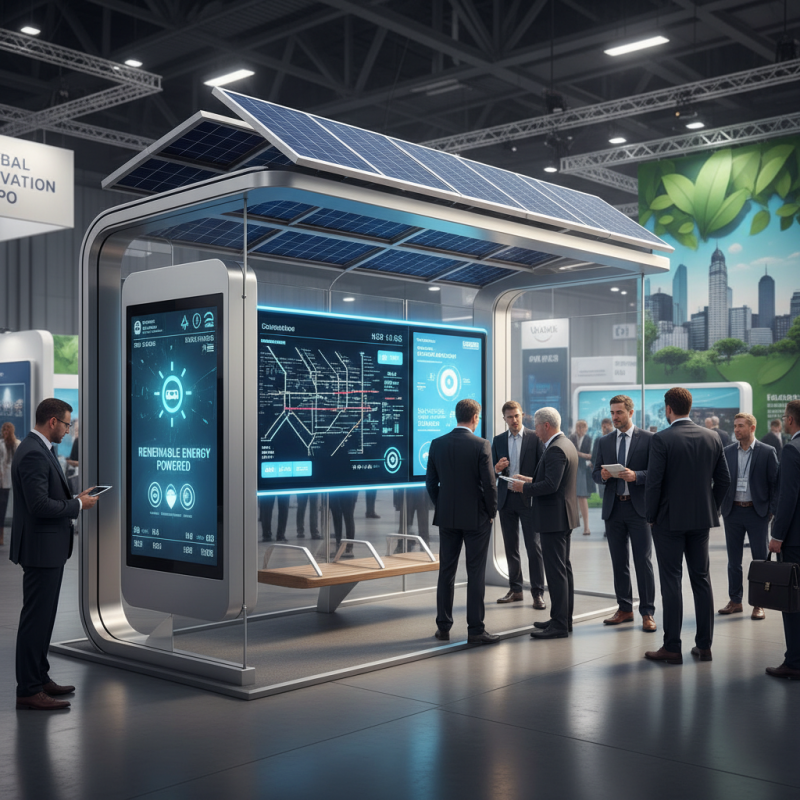
Best Digital Solar Bus Stops at the 139th Canton Fair?
At the 139th Canton Fair, a focus on innovative products like Digital solar bus stops is evident. These bus stops are transforming urban infrastructure. According to industry reports, the renewable energy sector is projected to grow by 8.4% annually, emphasizing the need for sustainable solutions in public transport.
Digital solar bus stops integrate advanced technologies. They offer real-time information while utilizing solar energy. Their design is not only eco-friendly but also enhances user experience. However, challenges remain in installation and maintenance. Many cities lack the necessary infrastructure and funding.
As cities evolve, the integration of digital solar bus stops could pave the way for smarter transit systems. Yet, cities must navigate regulatory hurdles and public acceptance to implement these innovations effectively. Investing in such technology is crucial for creating efficient and sustainable urban environments.
Overview of Digital Solar Bus Stops
Digital solar bus stops are revolutionizing public transport. These stops harness solar energy, providing a sustainable alternative for urban areas. They feature interactive displays that inform passengers about bus schedules and delays. Moreover, the integration of charging stations for electronic devices is a significant advantage.
When exploring the benefits, consider this: while they contribute to eco-friendliness, the initial setup cost can be high. Urban planners often face budget constraints. Ensuring such installations are both functional and visually appealing is also essential. It’s important to gather community feedback. Are residents satisfied with placement and design?
Tips to keep in mind: ensure regular maintenance checks on solar panels. Dust and debris can significantly reduce efficiency. Additionally, consider incorporating LED lighting for better visibility at night. Engaging local artists for designs can enhance aesthetics. These steps can prevent future issues and promote community pride.
Innovative Features of Digital Solar Bus Stops
Digital solar bus stops are transforming urban transportation. They integrate eco-friendly solar panels to harness renewable energy. These stops illuminate at night and power digital displays. Travelers can access real-time information, including arrival times and service updates. The convenience encourages public transit use.
One unique feature is the built-in charging stations for mobile devices. Commuters can recharge while waiting for their buses. This thoughtful addition caters to the tech-savvy traveler but raises questions. Are we too dependent on our devices? Another innovative aspect is the interactive screens. They provide information about local attractions and nearby shops. However, this can overwhelm some users. Not everyone is comfortable with technology.
Despite their benefits, challenges exist. Maintenance of these digital systems is crucial. Neglect may lead to malfunctioning displays, causing frustration. It's essential to strike a balance between innovation and usability in public spaces. As cities evolve, these solar bus stops could lead to greener and smarter transportation options. They highlight the potential to enhance daily commuting while promoting sustainable practices.
Best Digital Solar Bus Stops at the 139th Canton Fair? - Innovative Features of Digital Solar Bus Stops
| Feature | Description | Benefit | Sustainability Aspect |
| Solar Panel Integration | Integrated solar panels for energy self-sufficiency | Reduces electricity costs | Utilizes renewable energy |
| LCD Display | Real-time arrival information and advertisements | Enhances user experience | Promotes digital technology in public transport |
| Wi-Fi Hotspot | Public access to free Wi-Fi | Increases convenience for passengers | Encourages usage of public transport |
| LED Lighting | Energy-efficient LED lighting for visibility | Improves safety at night | Low energy consumption |
| Environmental Monitoring | Sensors for air quality and weather | Provides valuable local data | Supports smart city initiatives |
Environmental Impact of Solar-Powered Transport Solutions
In recent years, solar-powered transport solutions have gained attention. They offer a cleaner alternative to traditional energy sources. The environmental impact is significant. Using solar energy reduces carbon emissions. This shift helps combat climate change.
Tips: Consider the long-term benefits. Investing in solar technology can save money. Regular maintenance ensures efficiency.
Innovative designs, like digital solar bus stops, showcase this technology. These stops are equipped with solar panels. They generate energy to power lights and information displays. It enhances the waiting experience for passengers. Yet, some challenges remain in implementation. Urban landscapes may hinder installations. Not every city has the same level of sunlight.
Tips: Research local regulations. Understand how solar solutions can fit into existing infrastructure. Engage with community stakeholders for better results.
Environmental Impact of Solar-Powered Transport Solutions
Market Trends and Adoption Rates at the Canton Fair
The 139th Canton Fair showcased various innovations in digital solar bus stops. These stops integrate technology and sustainability. Many exhibitors highlighted growing market trends, focusing on eco-friendly solutions. Adoption rates are rising, driven by urbanization and environmental concerns.
Digital solar bus stops utilize solar panels. They offer real-time updates and interactive features. Cities appreciate their benefits, including reduced energy costs and lower carbon footprints. However, the initial investment can deter some municipalities. It's essential for decision-makers to weigh immediate costs against long-term savings.
Tips: Always consider local regulations before implementing new technologies. Assess community needs to ensure the solution fits well. Engage with stakeholders early in the planning phase. This approach fosters support and mitigates resistance. Balancing innovation with practicality is crucial.
Future Prospects for Smart Public Transport Solutions
The future of smart public transport solutions looks promising, especially with innovations like digital solar bus stops. These structures can harness solar energy for lighting and information displays. According to a recent industry report, over 80% of cities worldwide are investing in smart infrastructure. This shift aims to reduce carbon footprints and enhance urban mobility.
However, challenges remain. Many areas lack consistent funding for such ambitious projects. A 2022 survey indicated that only 45% of cities have robust plans to implement smart transport systems. While admiration exists for advanced technologies, practicalities often hinder progress. Additionally, public awareness and acceptance can lag behind the development of new systems.
Cities embracing these solutions are seeing benefits. For instance, real-time data application improves efficiency by 30%. Digital solar bus stops not only improve the passenger experience but also encourage the use of public transport. Yet, a cautious approach is essential. As cities strive for modernization, they must consider the socio-economic impact on their residents. Balancing innovation with accessibility remains a significant task for urban planners.