Best Aluminum Electrolytic Capacitor Trends at 2026 Canton Fair?
The upcoming 2026 Canton Fair will showcase significant trends in the electronics sector, particularly for Aluminum Electrolytic Capacitors. This key component is essential in various electronic devices. The fair will feature advanced manufacturing technologies, making it a prime venue for suppliers. Attendees can expect innovations that enhance capacitor performance and reliability.
The introduction of AI technologies will streamline the sourcing process for buyers. Attendees can quickly find suppliers that meet certifications like ISO and CE. This efficiency is vital for navigating the vast 1.55 million square meters of exhibition space. However, challenges may still arise, such as the need for deeper insights into product quality.
Aluminum Electrolytic Capacitors remain pivotal in many applications, from consumer electronics to industrial systems. As this event draws near, it will foster discussions on evolving trends. Reflecting on market demands is crucial. Understanding capacitor advancements may lead to improved design and application, but gaps in knowledge still exist. Exploring these developments could unveil future opportunities for various industries.
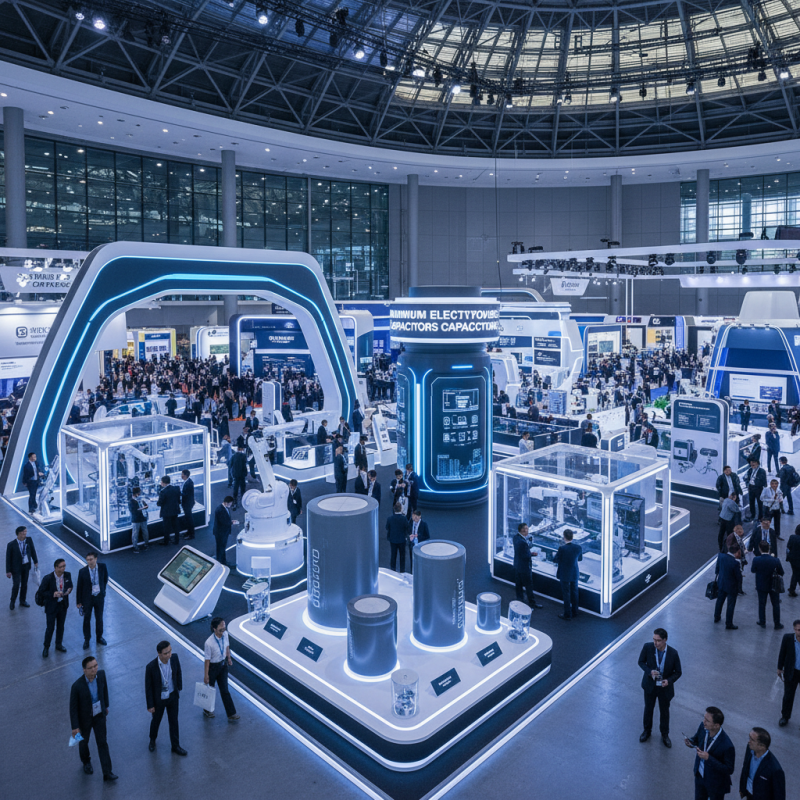
Emerging Technologies in Aluminum Electrolytic Capacitors by 2026
As the 2026 Canton Fair approaches, the trends in aluminum electrolytic capacitors are shifting towards innovative technologies. Reports indicate a significant increase in the adoption of high-temperature and high-voltage capacitors. By 2026, the market for these advanced capacitors is projected to grow by over 15%, fueled by demands in sectors like renewable energy and electric vehicles.
New manufacturing techniques are emerging. For instance, more companies are using advanced materials to enhance the lifespan and efficiency of capacitors. An estimated 30% of new products at the fair may feature hybrid designs that combine traditional electrolytic structures with new polymers. This innovation aims to meet the rising requirements for miniaturization in electronics while maintaining energy efficiency.
Yet, this rapid progression isn’t without challenges. Some manufacturers still struggle to balance cost reduction with quality enhancement. Moving forward, it's critical for companies to invest in research and development. A lack of focus on long-term sustainability can hinder growth in this competitive market. Keeping up with trends is important, but the quest for quality remains paramount.
Key Manufacturers and Their Innovations in Capacitor Design
The 2026 Canton Fair will showcase significant trends in aluminum electrolytic capacitors. Key manufacturers are focusing on innovations that enhance performance and reliability. A recent industry report highlighted that the global aluminum electrolytic capacitor market is projected to grow at a CAGR of 5.6% through 2026. This growth is driven by demand in automotive and consumer electronics sectors.
Several manufacturers are exploring advanced designs with improved dielectric materials. These innovations are crucial for increasing capacitance while reducing size. Enhanced thermal stability and lower ESL (Equivalent Series Inductance) are critical features that designers are emphasizing. Yet, difficulties in balancing cost and performance remain.
Sustainability is another trend. Companies are incorporating environmentally friendly materials into their capacitors. However, challenges in sourcing sustainable components can hinder progress. As the industry evolves, the focus will remain on creating reliable and efficient products. The path to innovation requires continuous assessment and adaptation.
Market Trends and Consumer Preferences for Capacitors in 2026
The demand for aluminum electrolytic capacitors is evolving. At the 2026 Canton Fair, market trends highlight the shift in consumer preferences. Buyers are increasingly focused on energy efficiency. Sustainability concerns shape their choices. They want longer-lasting products, which reduce waste.
One key trend is the growing interest in smaller, compact capacitors. These components fit well in miniaturized devices. Their efficiency is often at odds with size. Some manufacturers are struggling to keep up. The balance between performance and compact design remains a challenge.
**Tip:** When selecting capacitors, consider the application carefully. Get detailed specifications to avoid mismatched choices.
Another point of observation is the rising demand for custom solutions. Consumers are looking for capacitors tailored to specific needs. This creates opportunities but also complicates production. Companies must adapt quickly to these changing preferences.
**Tip:** Stay informed about industry changes. Engage with suppliers to ensure access to new innovations.
Best Aluminum Electrolytic Capacitor Trends at 2026 Canton Fair
Sustainability Practices in Aluminum Electrolytic Capacitor Production
At the 2026 Canton Fair, sustainability trends in aluminum electrolytic capacitor production will be a hot topic. Manufacturers are under pressure to adopt eco-friendly practices. Research shows that about 70% of consumers prefer products with sustainable attributes. This has forced companies to rethink their processes.
Recycling of materials is becoming essential. Many manufacturers are now sourcing aluminum from recycled sources. Reports indicate that using recycled aluminum can reduce energy consumption by 95%. However, challenges remain. Not all facilities have the capability to recycle effectively. Industrial waste management systems often fall short.
Water usage is another concern. The capacitor production process can be water-intensive. The industry is moving toward closed-loop systems. This innovation can help minimize water waste. Some companies are investing in technologies to reduce emissions, but the transition can be slow. Incomplete solutions often lead to environmental impacts. It's clear that there is much room for improvement in achieving sustainability in this sector.
Best Aluminum Electrolytic Capacitor Trends at 2026 Canton Fair? - Sustainability Practices in Aluminum Electrolytic Capacitor Production
| Trend | Description | Sustainability Initiative | Expected Impact |
| Eco-Friendly Materials | Utilization of recyclable and biodegradable materials in capacitor production. | Reducing environmental footprint by 25%. | Promotes a circular economy within the electronics industry. |
| Energy Efficiency | Improving energy savings in capacitor operation, leading to lower power consumption. | Implementation of low-loss technology. | Expected to save up to 40% energy usage in electronic devices. |
| Reduction of Harmful Chemicals | Eliminating the use of toxic materials in the manufacturing process. | Shifting to non-toxic electrolyte solutions. | Mitigates health risks for workers and consumers alike. |
| Lifecycle Assessments | Conducting thorough lifecycle analyses to measure environmental impacts. | Continuous improvement based on lifecycle data. | Promotes transparent supply chains and reduces overall carbon footprint. |
| Smart Manufacturing | Integrating IoT and AI in production for real-time efficiency monitoring. | Reducing waste through automated quality control. | Improves efficiency by 30% while minimizing material waste. |
Future Applications and Impact of Aluminum Electrolytic Capacitors in Industries
The aluminum electrolytic capacitor plays a pivotal role in various industries. In the future, its applications will significantly impact sectors like automotive and renewable energy. As electric vehicles grow, these capacitors will enhance performance and energy efficiency. They're vital for managing smooth energy flow in advanced systems.
Tips: Always consider capacitor ratings. Voltage ratings matter, especially in high-performance applications. Choosing the wrong rating may lead to failure.
In renewable energy, aluminum electrolytic capacitors stabilize voltage in solar inverters. They help convert sunlight into usable electricity. This reliability enhances overall system efficiency. However, designers must pay attention to temperature effects on performance.
Tips: Check installation environments for potential heat issues. Heat can degrade capacitor lifespan. Proper thermal management is essential.
The trend toward miniaturization also affects capacitor design. Smaller devices can lead to efficiency but may sacrifice stability. Industries must find a balance between size and reliability. This challenge invites innovation and reflection on current designs.
